Designing the Cooker and Canister Swap Process for KOKO's Agents
Redesigning how KOKO Agents replace faulty cookers and canisters, from a paper process that needed a rep stationed in every shop, to a five-minute flow built to survive the ways real customers don't fit the happy path.
Role
Senior Product Designer
Industry
Clean Cooking
Year
2025


What shipped, and what didn't
Two builds were on the table. The lighter one left the Google Form in place as the interface and wired automation in behind it, quick to ship and enough to hand the care team their hours back. The heavier one pulled the entire interaction into the Agent App and removed the form, the shortcode, the stationed rep and the paper consent in one move.
The team took the heavier build, and the reasoning behind that is worth stating plainly. Automating behind the form only solves the half of the process the care team was stuck doing. It does nothing for the customer, since their ninety minutes were mostly the form, the photography and the wait, not the manual transfer sitting behind it. The lighter option would have gotten a customer down to roughly twenty minutes and left a rep parked in every shop indefinitely. Building the harder version once was cheaper than shipping a partial fix and having to come back for the rest of it later.
I helped scope what phase one would actually cover: a registered customer, readable serials, the standard fee. We expected that path to account for 60 to 70% of swaps, a figure checked against a real day of swap data rather than taken on faith. Everything outside it kept running through the manual process in the meantime, with customer care as the fallback. Two of those exceptions came up more often than the estimate allowed for, a serial with nothing left legible to scan or type in, and a refurbished item that failed a second time and needed its own replacement. Looking back, I'd have built both into phase one rather than leaving them for later. The manual workaround was fine at ten shops. At a hundred, the cost of running the workaround caught up with the cost of just building it properly the first time.

Results
Swap time moved from a 30-to-90-minute range down to 3 to 5 minutes, an improvement of roughly 83%. Customer care got back more than 100 hours a month that had been going into manual data entry instead of customer problems. Paper consent disappeared entirely, replaced by an SMS carrying the terms and a one-time code to confirm them, which left legal with a cleaner audit trail than a signed form ever gave them. Rollout tracked refurbished stock rather than a fixed schedule, growing from 10 pilot shops to 100 as supply allowed.
Other projects
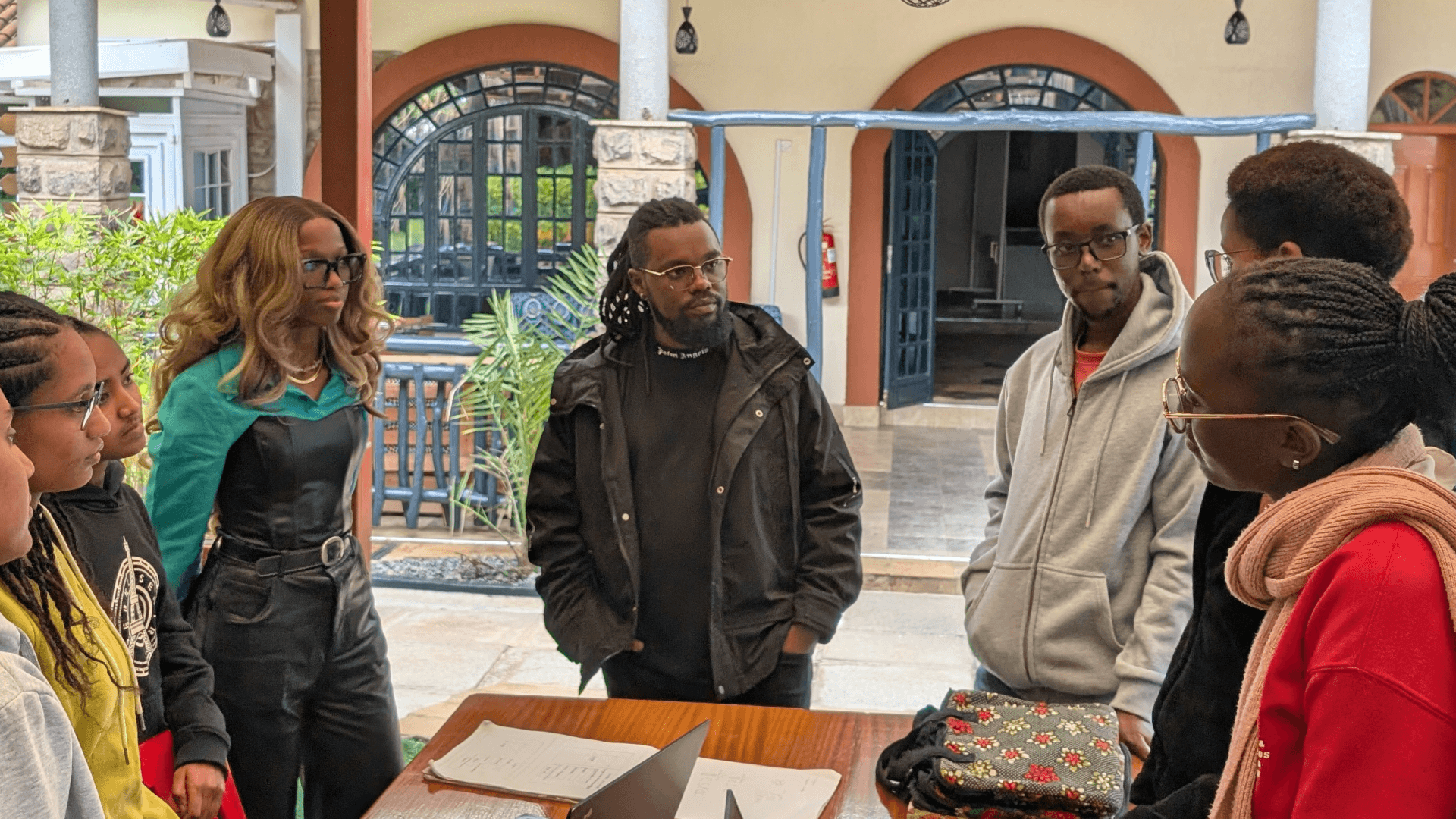
Building the OS Behind the Design Team
Building the handbook, QA process, growth framework and offboarding system that let a five-person design team hold one bar for quality across four product squads, instead of five people quietly doing it five different ways.
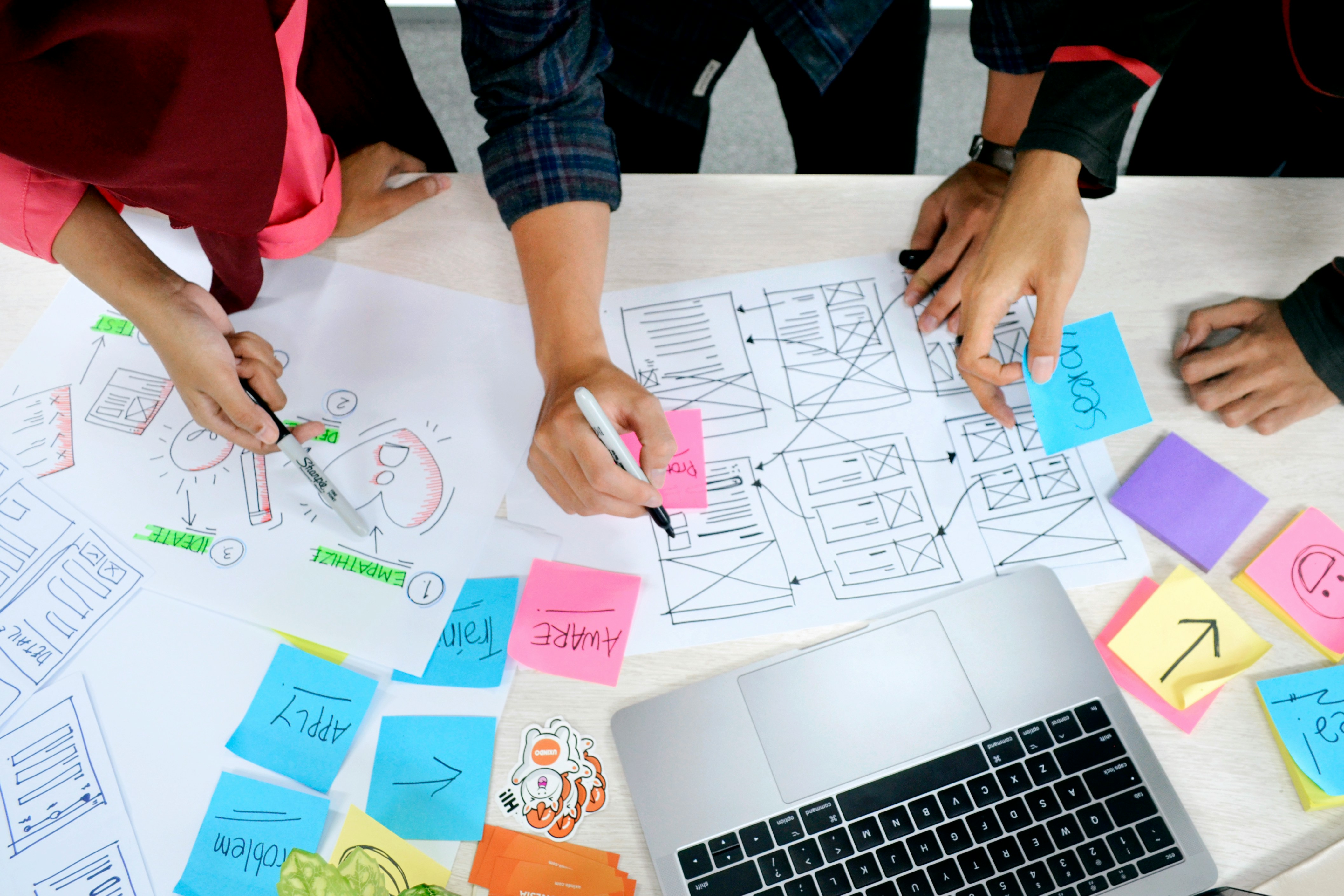
One Set of Frameworks, Two Diagnostic Products
Kauli and Matrix are two AI-native products I designed and built solo under Suluhu Studio, both using the Claude API. They look like separate tools, a decision diagnostic and an organizational maturity assessment, but they run on the same underlying frameworks pointed at two different targets: one decision at a time, or a whole design function at once.

Moving M-PESA Statement Verification Out of the Branch
A self-serve verification flow for 50M+ users, including a USSD path for feature phones, that removed tens of thousands of branch visits a day.

From 90 Interviews to Two Programs: Designing Bohoka
Design research and co-design work behind Tegura Ejo Heza, a mental health literacy and peer support program for young people in Rwanda, built from the ground up with the people it was for.