From 90 Interviews to Two Programs: Designing Bohoka
Design research and co-design work behind Tegura Ejo Heza, a mental health literacy and peer support program for young people in Rwanda, built from the ground up with the people it was for.
Role
Senior Product Designer
Industry
Non-Profit
Year
2021


Testing six ideas to find two
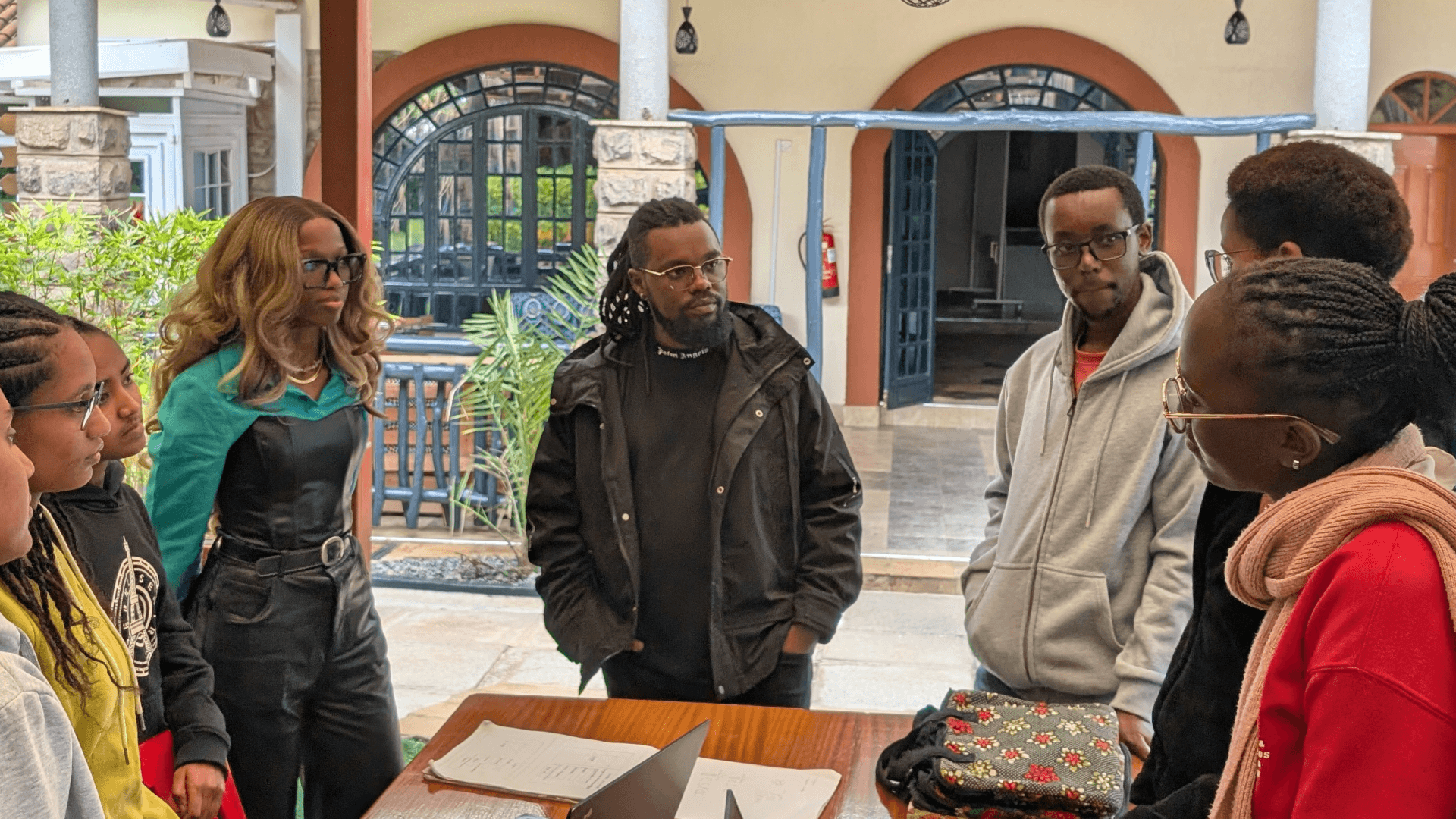
Those concepts, plus a version of the original Bohoka platform idea, went into rough prototyping with 45 community members in 2021. Each one was tested for real, not just discussed, and the results were often not what the team expected going in.
An anonymous expert advice column, run under the name "Ask Mahoro," tested well specifically because of the anonymity. One participant put it plainly: they'd rather ask someone who didn't know them than someone who did, since a stranger had no reason to soften the truth or judge them for it later. A comic book following a fictional mental health journey landed with some participants and lost others, who felt drawn illustrations read as made up rather than trustworthy, even though the same group also said the format was the easiest thing to actually get through. A public forum for young people to post their own stories tested worst of all: almost nobody wanted their name attached to their story, which meant an idea built around visibility had to be rebuilt around anonymity to survive contact with the people it was for.
The team mapped all six concepts against three barriers the research had surfaced, low mental health literacy, not knowing where to seek care, and the cost and inconvenience of actually accessing it, and narrowed to three ideas worth carrying into live testing: Bohoka itself, a concept called Mfasha built around the anonymous-expert insight from "Ask Mahoro," and Turi Kumwe, the trained peer support system.

Other projects

Designing the Cooker and Canister Swap Process for KOKO's Agents
Redesigning how KOKO Agents replace faulty cookers and canisters, from a paper process that needed a rep stationed in every shop, to a five-minute flow built to survive the ways real customers don't fit the happy path.
Building the OS Behind the Design Team
Building the handbook, QA process, growth framework and offboarding system that let a five-person design team hold one bar for quality across four product squads, instead of five people quietly doing it five different ways.
One Set of Frameworks, Two Diagnostic Products
Kauli and Matrix are two AI-native products I designed and built solo under Suluhu Studio, both using the Claude API. They look like separate tools, a decision diagnostic and an organizational maturity assessment, but they run on the same underlying frameworks pointed at two different targets: one decision at a time, or a whole design function at once.

Moving M-PESA Statement Verification Out of the Branch
A self-serve verification flow for 50M+ users, including a USSD path for feature phones, that removed tens of thousands of branch visits a day.